.svg)

Why the Future of AI Belongs to Private, Curated Workspaces
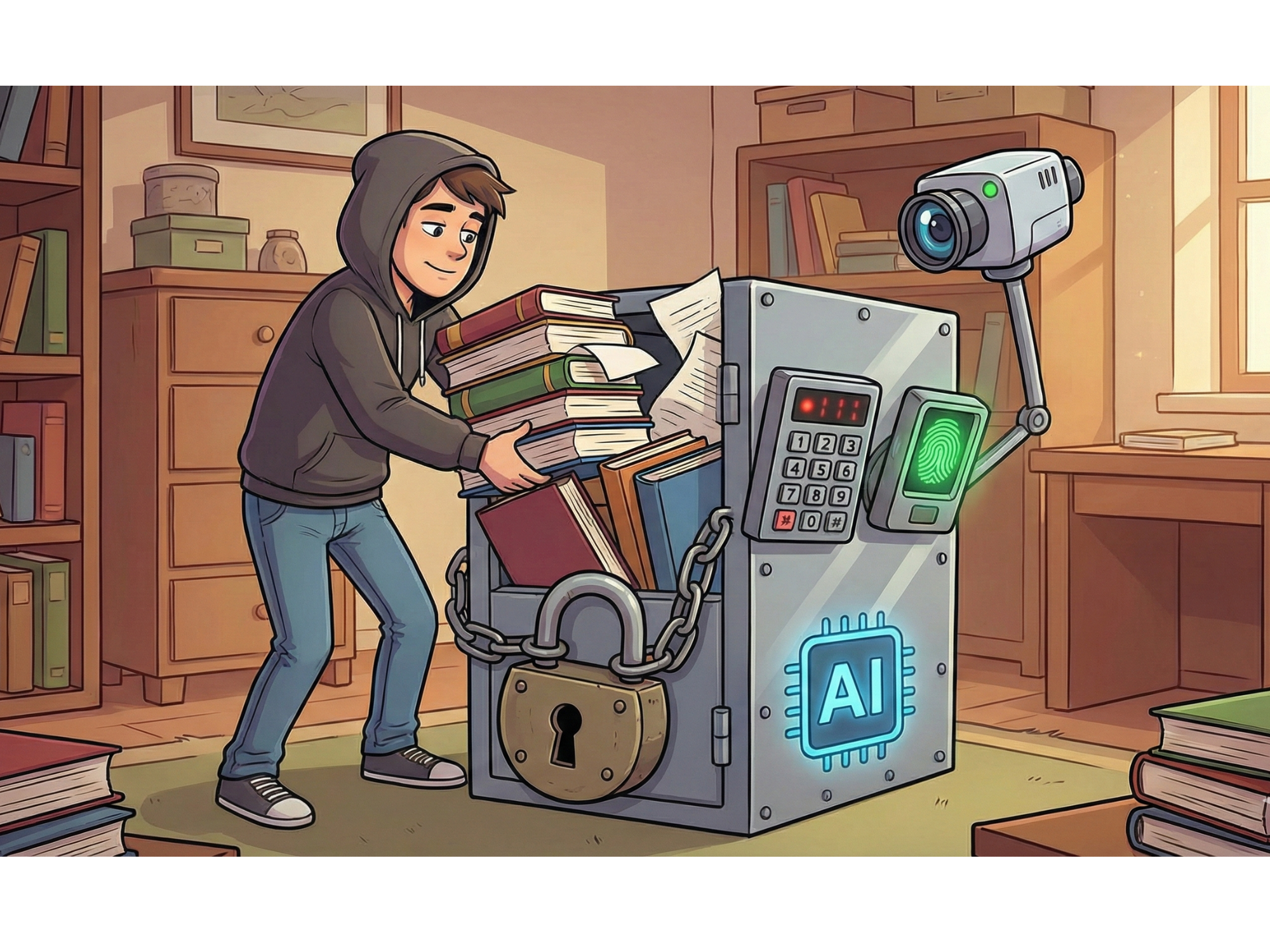
And why “just tossing your docs into an LLM” is the new YOLO you absolutely shouldn’t YOLO.
The AI boom has unlocked superpowers for every knowledge worker on the planet. We can draft proposals in minutes, summarize thousand-page PDFs before our coffee cools, and interrogate our own data to generate massive insights while mostly watching Netflix.
But as organizations race toward AI-assisted everything, one truth is becoming painfully clear: you can’t rely on generic, publicly trained models to answer mission-critical questions from your internal knowledge. The real competitive advantage isn’t access to AI. It’s control over how AI interacts with your domain-specific intelligence.
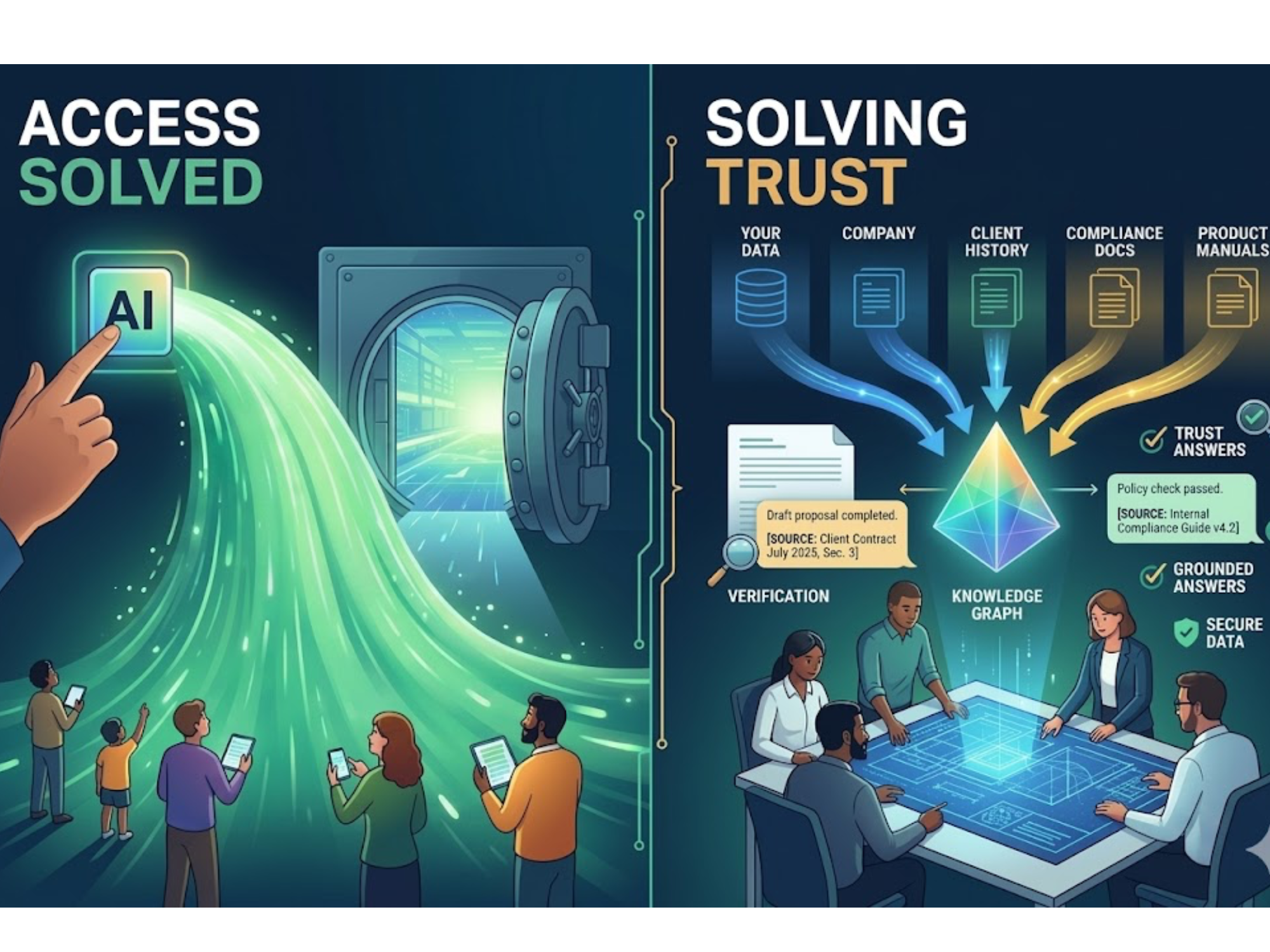
That’s where the idea of a private, secure AI workspace comes in. This should be your organization's own carved-out environment where knowledge can be curated, protected, interrogated, and operationalized without leaking into the broader model ecosystem.
And yes, it sounds fancy. But it’s quickly becoming table stakes.
Let’s dig into why.
1. Public LLMs are incredible…until they're not
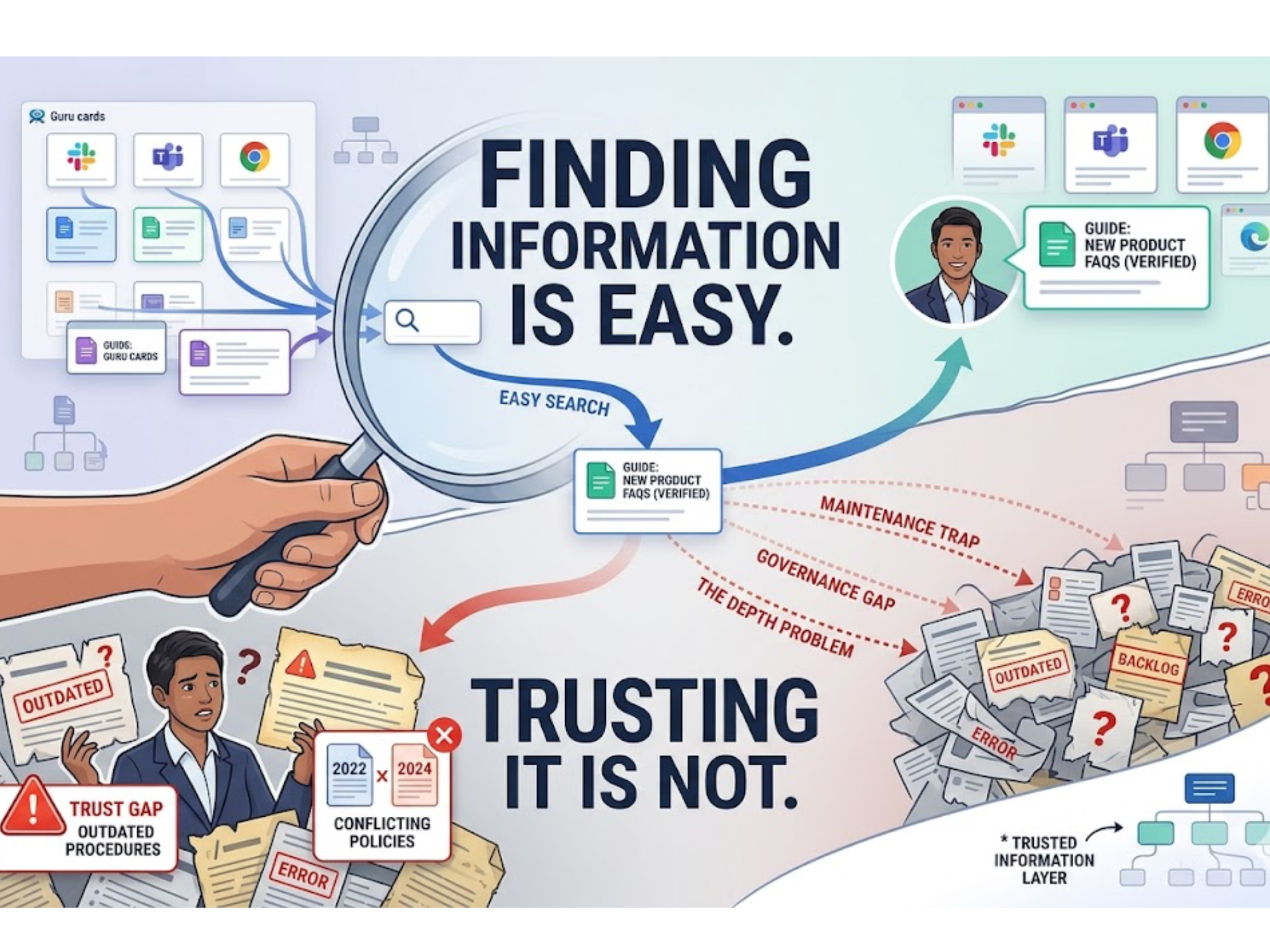
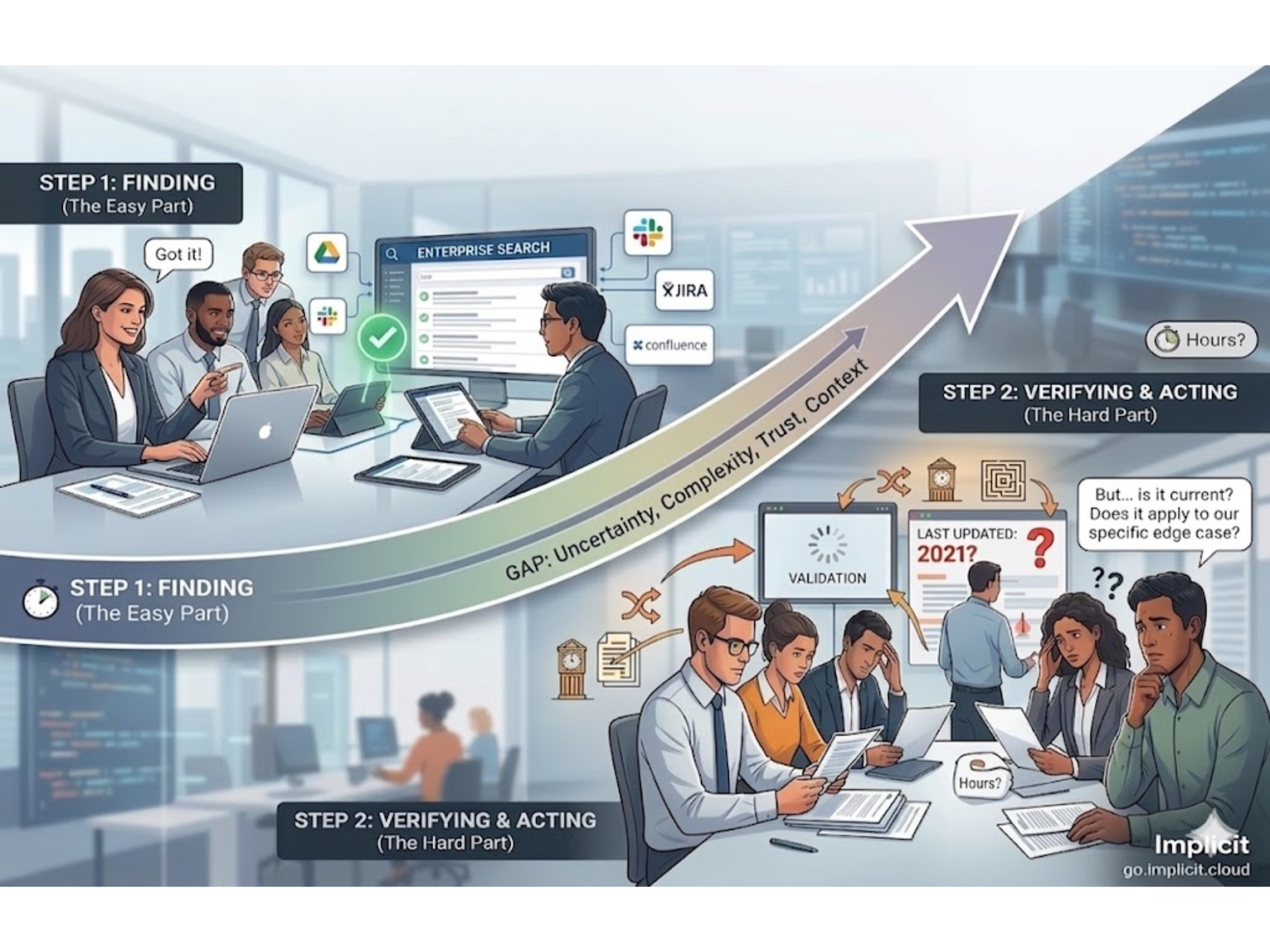
Large foundation models are great at general tasks. Ask them for a haiku about cloud infrastructure and they’ll crush it. Ask them to summarize a PDF about the care and feeding of an F404 turbofan engine, the subtleties of your billing policy, or the downstream effects of a newly updated operating procedures…and suddenly the confidence level stays high while the correctness starts to waver.
Why? Because they’ve never seen your content.
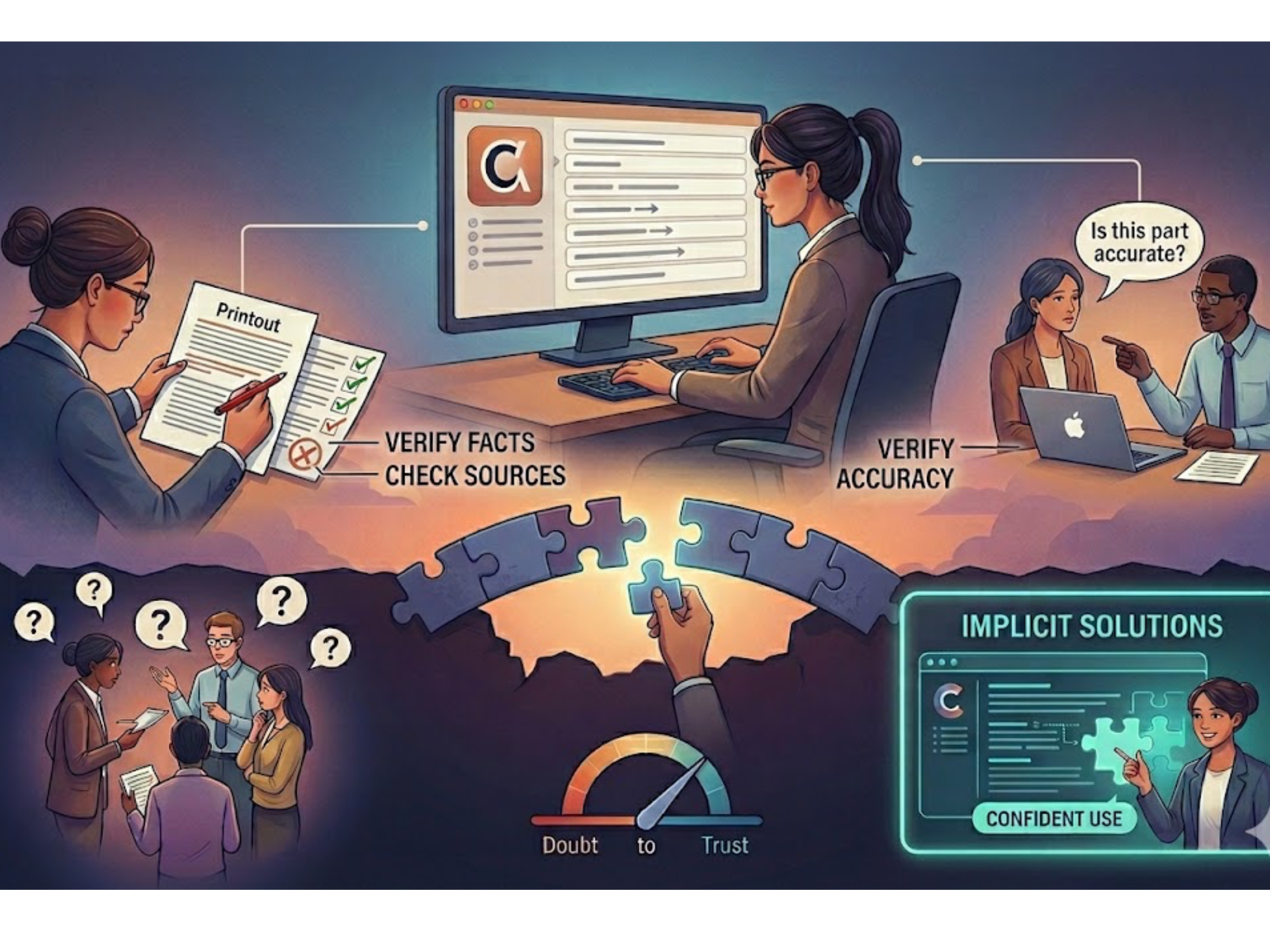
And even when they have, the model is guessing based on probability, not fact. There’s no citation trail unless you bolt one on. There’s no guarantee of consistency. And there’s no way to ensure it aligns with your organization's truth unless you put it inside a purpose-built, controlled environment.
A private workspace changes all of that. It anchors answers directly in your approved knowledge (your manuals, your policies, your recordings, your engineering memos, your research reports, all your content). No hallucinating. No improvisational jazz. Just grounded, traceable, trustworthy responses.
Precision isn’t a luxury. It’s the difference between:
- A technician troubleshooting an aircraft correctly
- A support rep giving the right policy explanation
- An operations manager avoiding compliance drift
- An analyst interpreting regulatory changes accurately
You need AI that knows your world.
2. Your knowledge is a strategic asset. Don’t scatter it across the internet.
Organizations spend decades building tribal knowledge: processes, procedures, policies, archived chats, field reports, engineering diagrams, technical specs, customer insights, failure logs, you name it.
Handing that over to a public AI provider is like giving your grandmother’s secret recipe to a cooking show competitor. Sure, you’ll probably get something back that tastes sort of like what you wanted…but now the whole world can cook it.
A private AI workspace puts guardrails around this intellectual property:
- Your data stays in your environment
- It isn’t used to train public models
- It isn’t exposed to other customers
- You control retention, access, and deletion
- You govern every input and every output
In a world where data is the new oil, you shouldn’t treat it like you’re spilling it out of a leaky Solo cup.
3. Curation isn’t busywork; it’s the foundation of reliable AI
Some teams think of “document management” as an administrative chore. In AI land, it’s oxygen.
What you upload, and how you organize it, directly determines the accuracy, reliability, and depth of what the AI can produce.
A curated workspace lets you:
- Bring together every relevant source (PDFs, videos, web pages, presentations, logs, etc.)
- Normalize structure
- Remove duplicates and outdated content
- Tag by topic, process, department, product, or role
- Version intelligently
- Control which datasets feed which AI experiences
This is how you build a knowledge engine that reflects your organization today, not last fiscal year.
Imagine asking your AI workspace, “What changed in our emergency procedures this quarter?” and getting a clean, sourced, contextualized answer, all because the foundation is solid.
That’s curation. That’s control. That’s how AI becomes an operational advantage rather than a guessing machine.
4. Security and compliance don’t need to be afterthoughts
Throwing confidential docs into a public chatbot may feel harmless, until your compliance officer levitates into your office with a 600-page report titled “Absolutely Not.”
A private AI workspace is where:
- Access controls map to your org chart
- Permissions follow the content
- Logs and audit trails support policy reviews
- Sensitive data stays encrypted
- User interactions are monitored, not mined
- Output can be tied to sources for validation
- You can meet federal, healthcare, aviation, or industry-specific requirements
In industries where a single incorrect interpretation can carry real-world consequences (maintenance, defense, clinical operations, cybersecurity), this isn’t optional.
When the stakes are high, “close enough” is nowhere near good enough.
5. AI should accelerate your workflows, not replace your judgment.
A curated AI workspace doesn’t aim to think for you. It helps you think faster and more accurately.
When the environment is private and the data is vetted, you can confidently ask it to:
- Draft reports based on verified inputs
- Explain complex procedures in plain language
- Compare versions of policies
- Generate scripts, briefs, study guides, or training materials
- Analyze trends across multiple knowledge sources
- Surface insights that your team no longer has to dig for manually
This isn’t automation for automation’s sake. It’s the next evolution of knowledge work: humans directing AI with clarity, and AI responding with fidelity.
6. The organizations that win will be the ones that own their AI layer
There’s a quiet shift happening in the market: smart teams are finding ways to control their own AI workspaces instead of outsourcing their knowledge to the big, public models. They treat AI not as a toy or a novelty, but as infrastructure, just like cloud storage or dev environments.
These organizations are leveraging:
- Private knowledge ecosystems
- Curated libraries of truth
- AI experiences tailored to their operations
- Secure layers that evolve with their processes
- Systems where every answer has a source
They’re not relying on general-purpose AI to understand specialized domains. They’re giving AI the map, compass, and coordinates.
In other words: they’re taking control.
And in a few years, not doing this will look as outdated as running your company off a shared Excel file named final_FINAL_v6_REALfinal.xlsx.
The bottom line
AI will reshape how every organization learns, works, decides, and executes. But the companies that see the biggest gains won’t be the ones who simply use AI.
They’ll be the ones who control it.
The ones who curate it.
The ones who protect their knowledge and shape their own private, secure AI workspace around it.
Because the real power of AI isn’t just intelligence. It’s alignment, with your data, your processes, your standards, your expertise. When you own that environment, everything else accelerates.
.svg)